
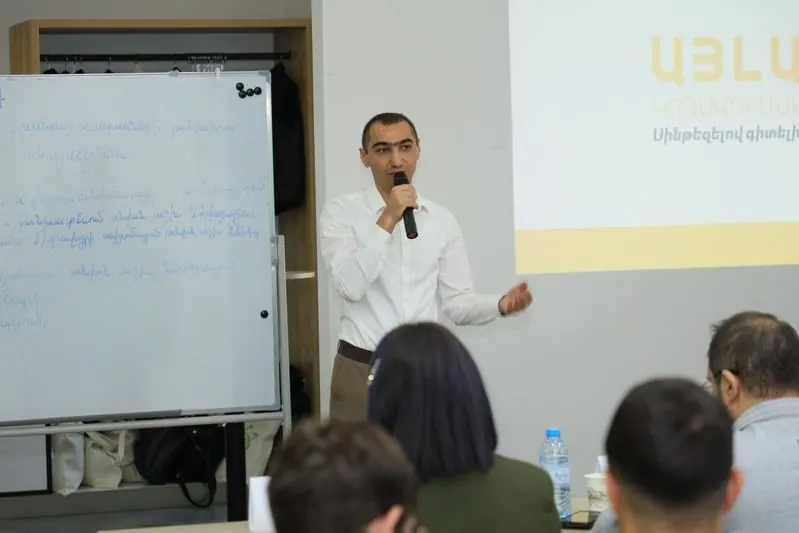
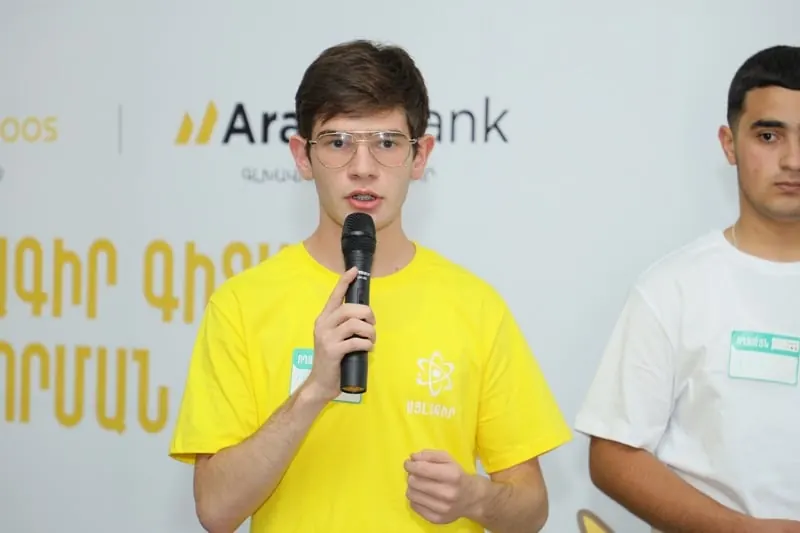
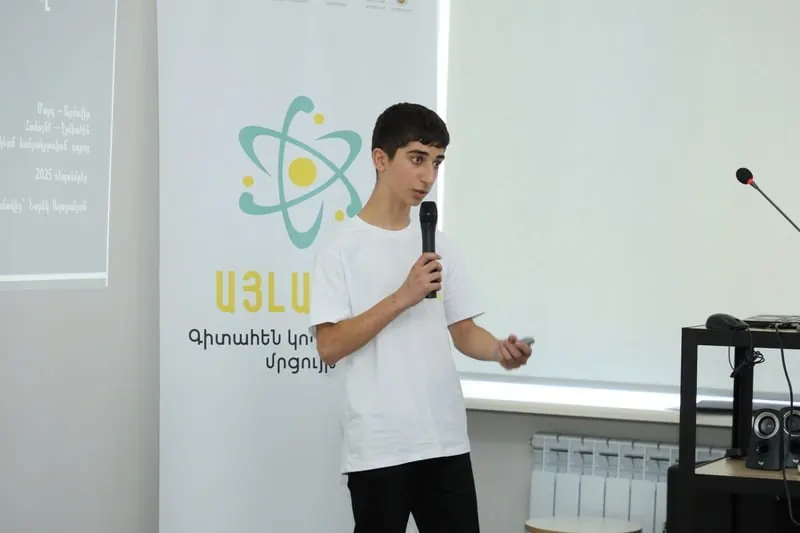
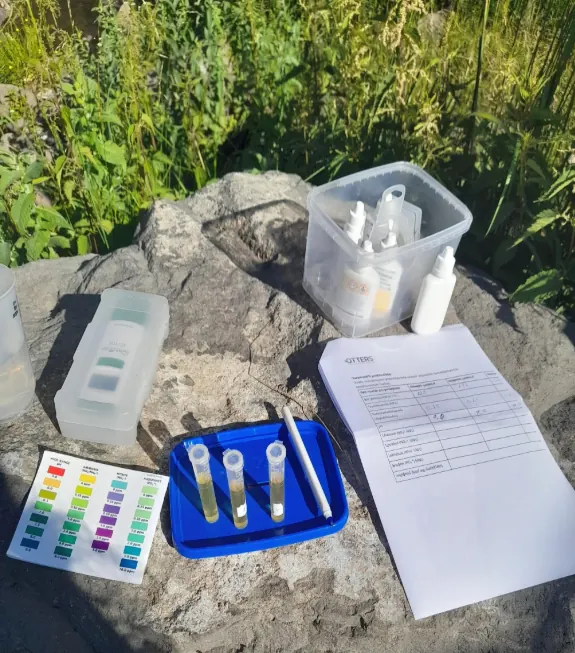
Data visualization and analysis (7–9), SNAP!
2025 · October 4
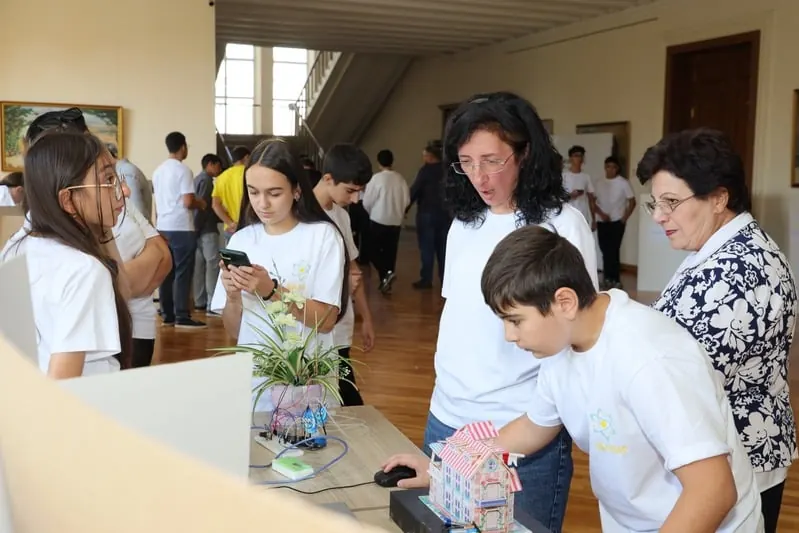
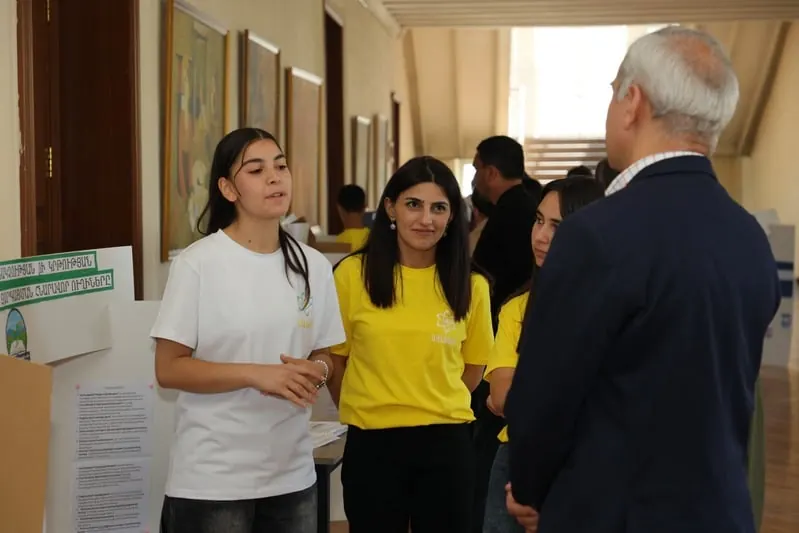
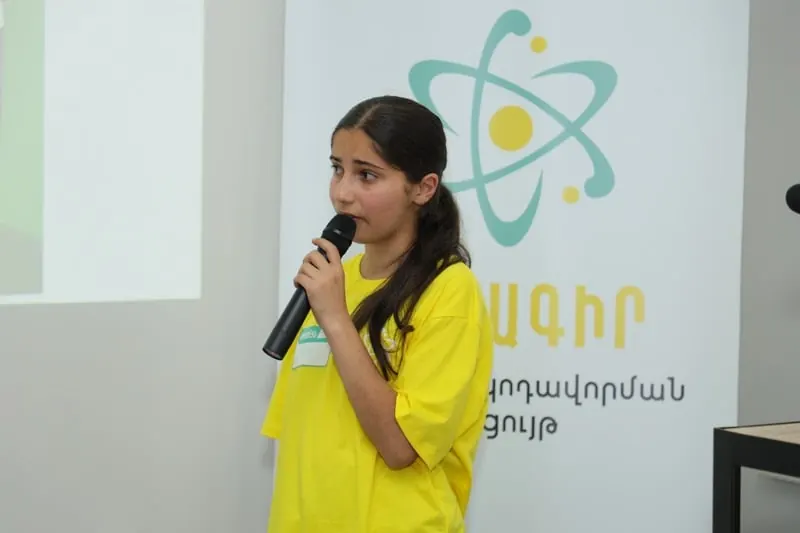
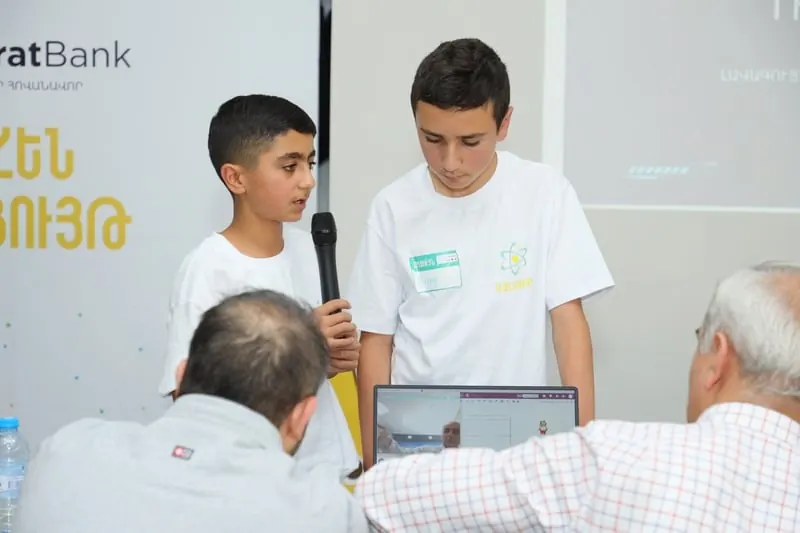
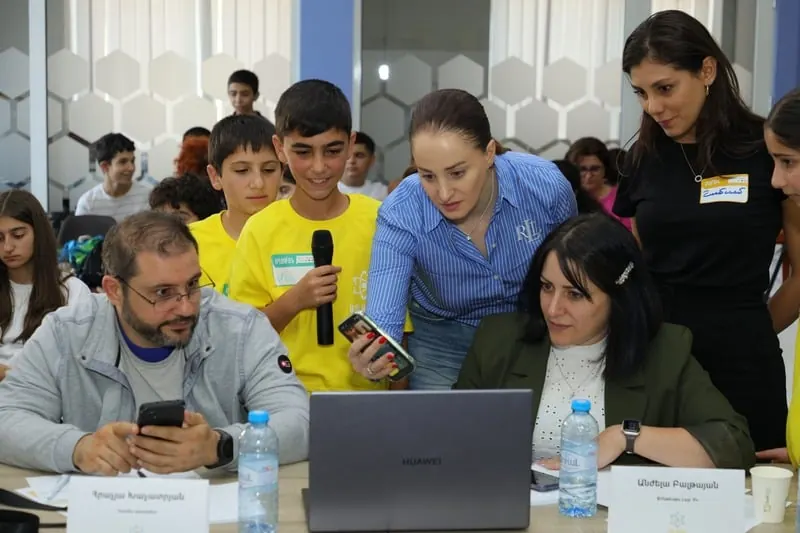
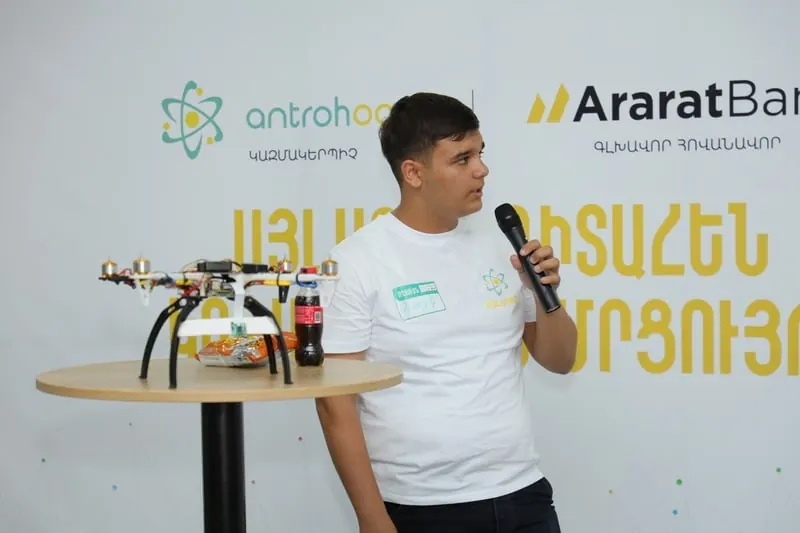
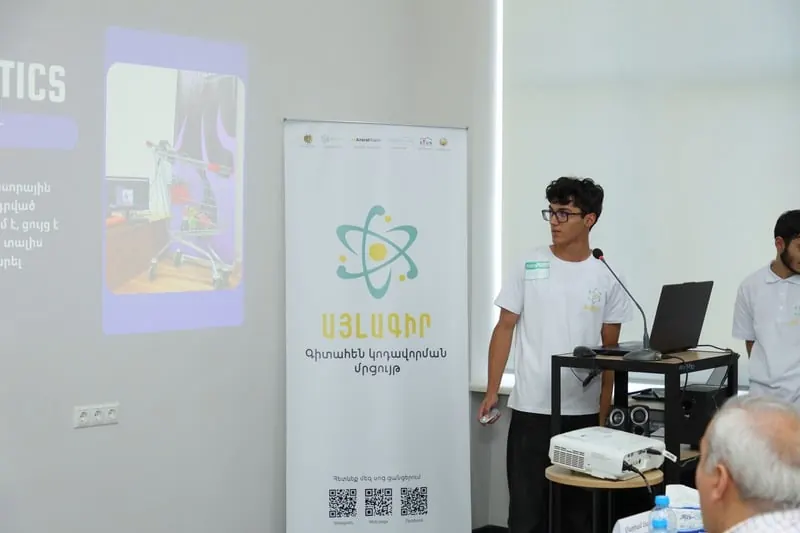
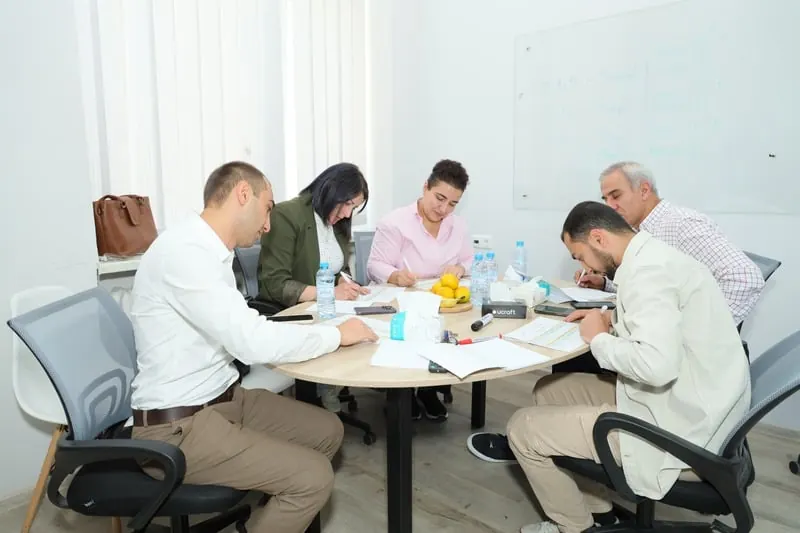
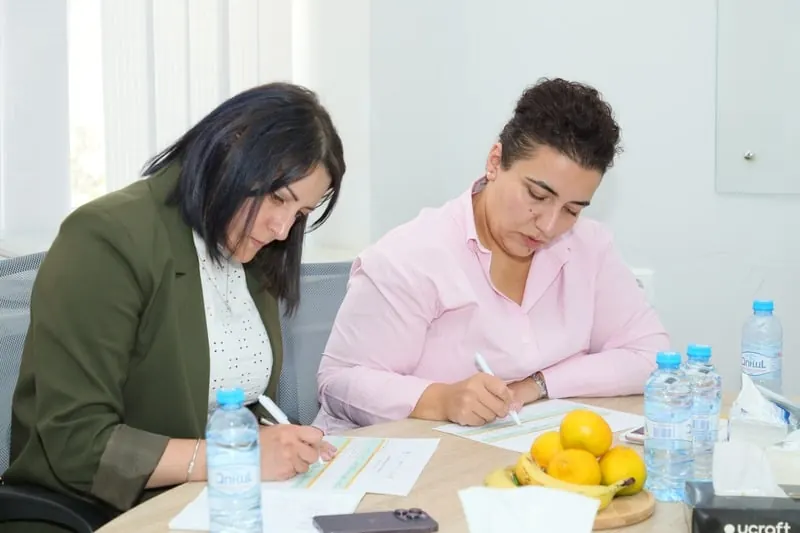
The second Aylagir science-based coding competition at the Armenian National Agrarian University.
Learn moreAbout the competition
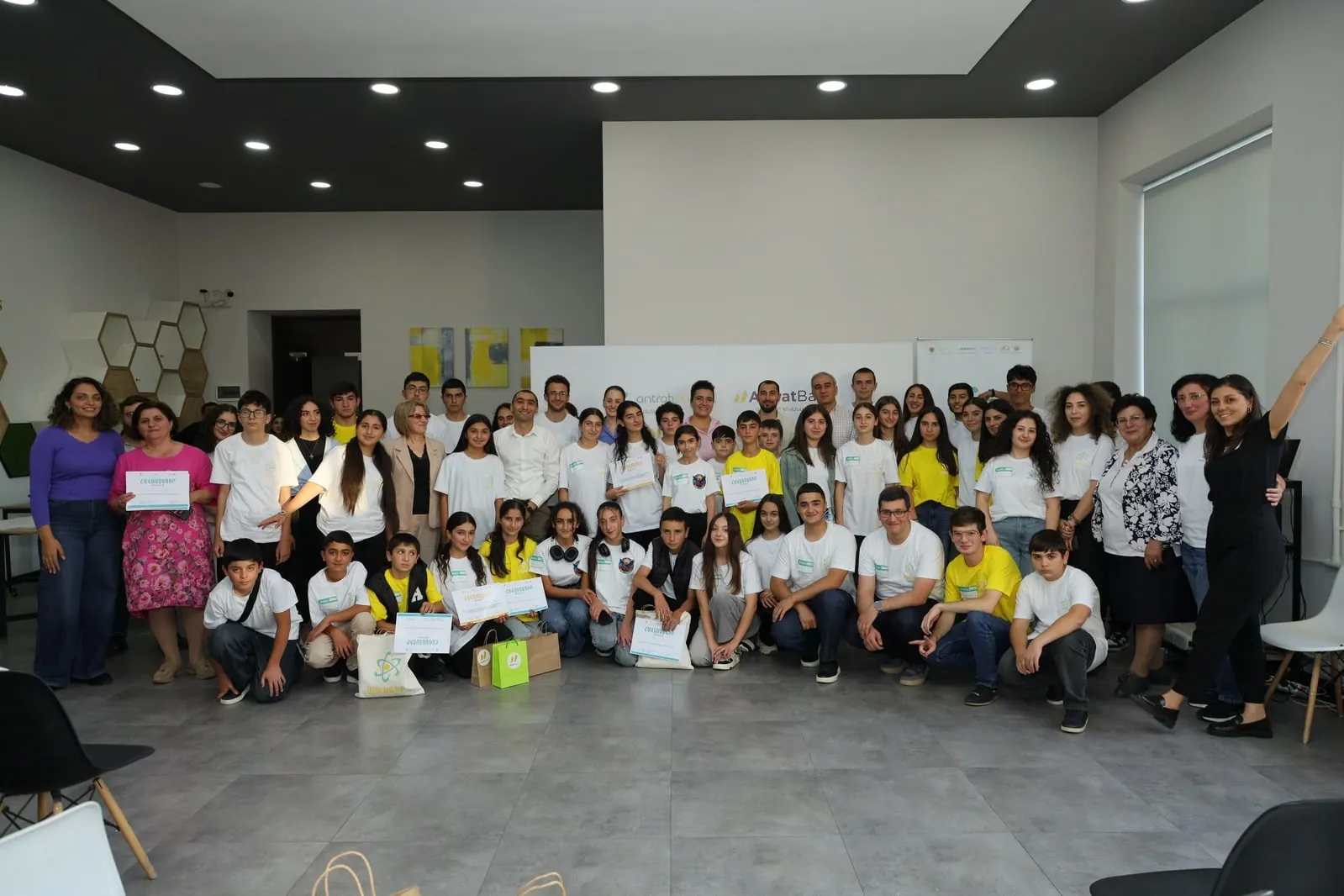
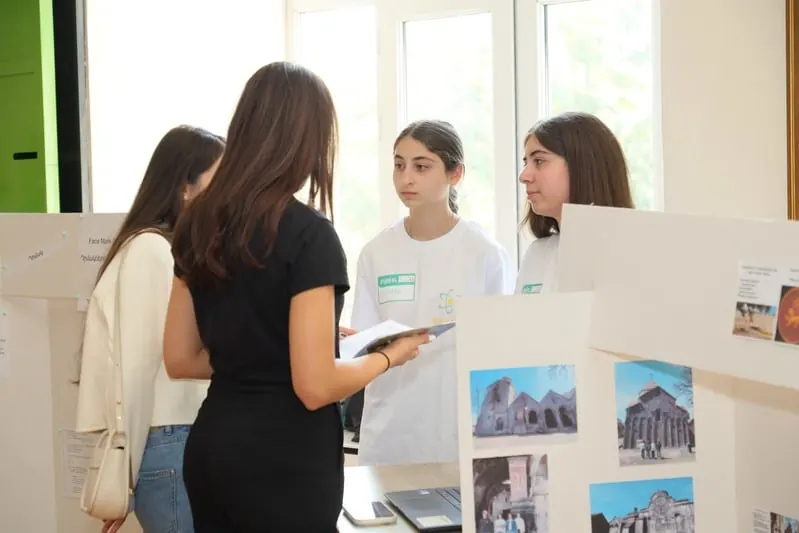
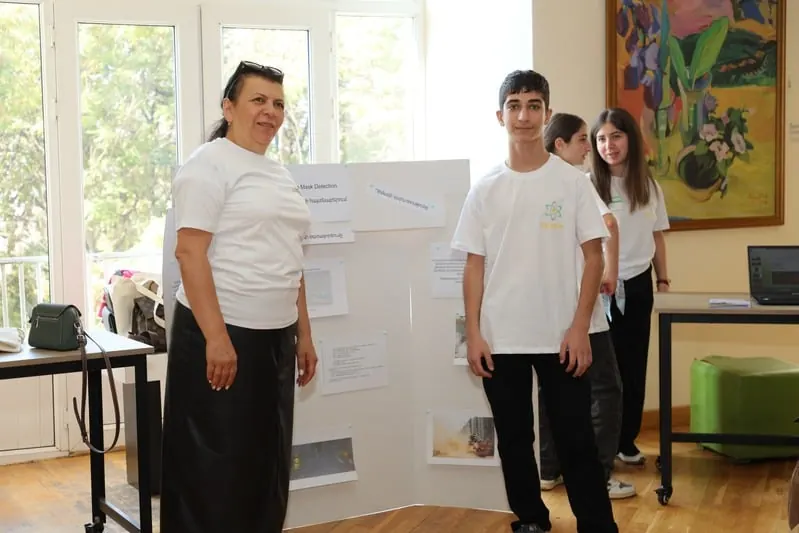
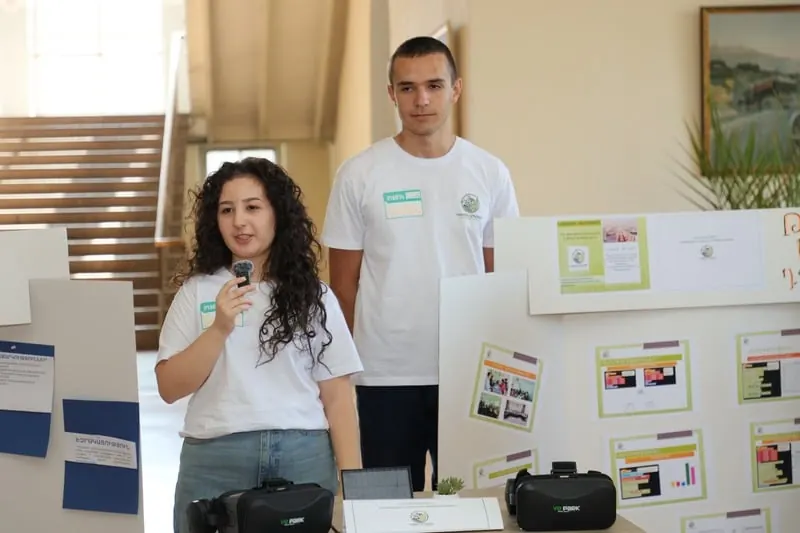
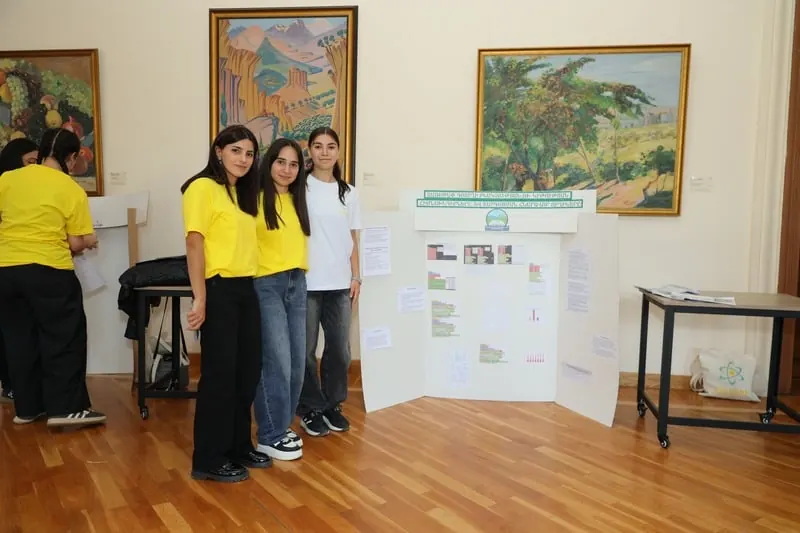
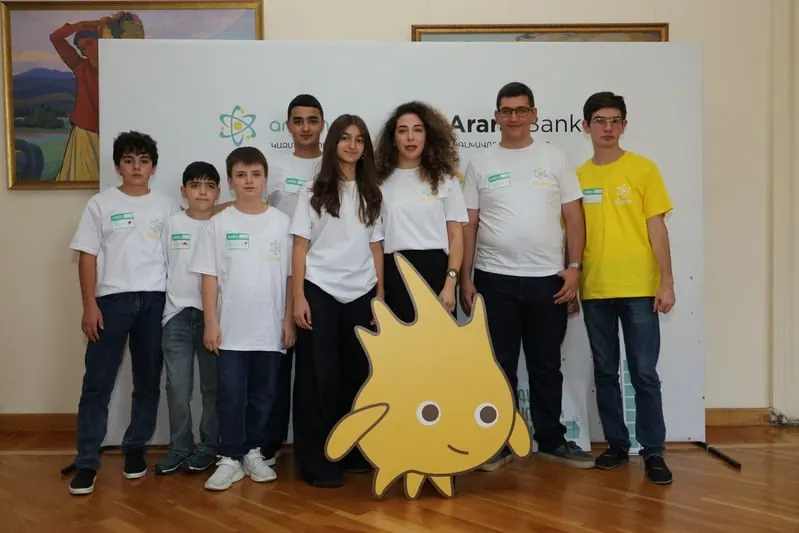
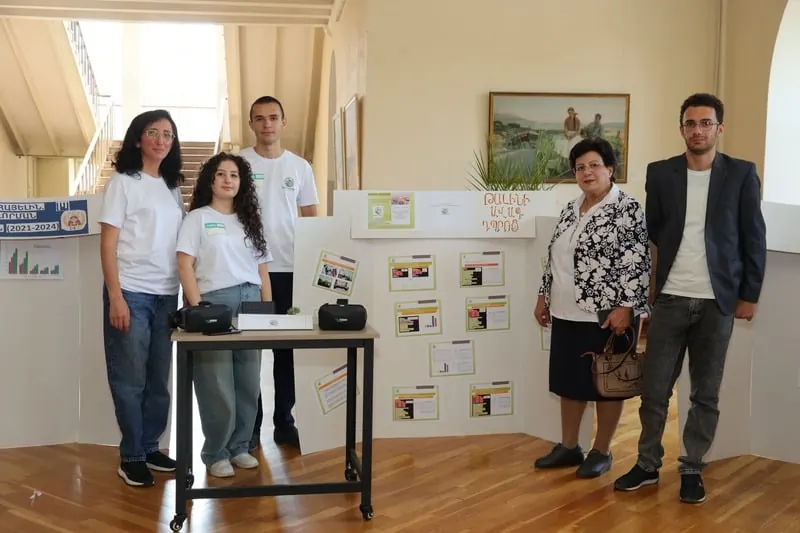
On October 4, 2025, the National Agrarian University of Armenia held a “Aylagir” scientific codingSecond, thecontest: The purpose of the contest identify and build the capacity of talented schoolchildren, encourage active and dedicated schools and teachers, and foster creative and develop innovative thinking, develop skills for collaboration and teamwork, as well as deep logical thinking and thought development.
"Aylagir" Contest promotes the development of design learning of general education standards by enabling pupils in a team format and with the support of teachers, to pose and solve problems with programming tools. Programming in the competition is not seen as an end in itself skill, but as an effective wayto address different issues.
Participants competed in the following categories:
| Program | Category | Age group | Work format | Participation format |
|---|---|---|---|---|
| Snap, Sci-snap | Data visualization and forecasting | Grades 10,11,12 together | Project, slide show, or video | 1 individual, 2 team, 1 leader |
| Snap, Sci-snap | Data visualization and analysis | Grades 7, 8, 9 together | Project, slide show, or video | 1 individual, 2 team, 1 leader |
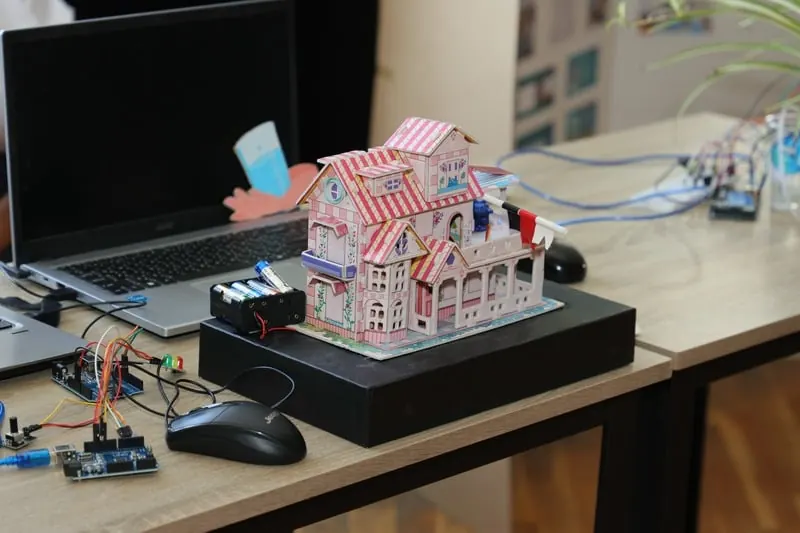
| Python | Environment automation with computer vision in Python. | Grades 8-12 together | Project (files), physical devices, slideshow, or video | 1 individual, 2 or 3 team, 1 leader |
Results
“Data visualization and analysis in SNAP! environments (grades 7-9)” wonVardenis Primary School No. 3studentElena Madoyanը իր "Vardenis Water"design. They received an incentive award in the same categoryShort Spring Middle SchoolstudentsEllen Margaryan և Karine Gevorgyantheir"Sevan from source"by design.
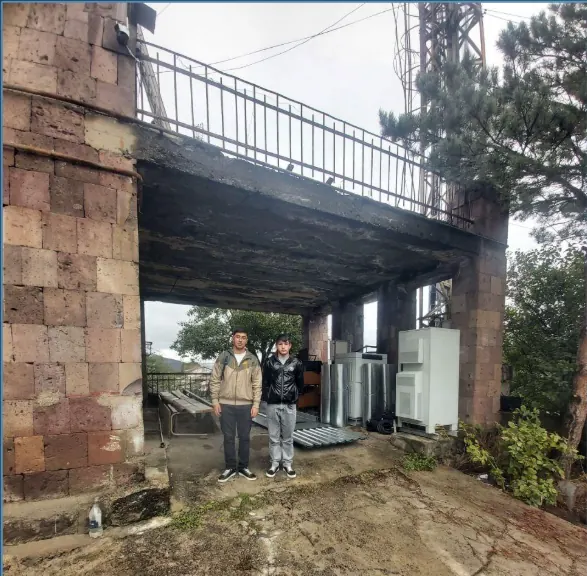
“Data visualization and prediction with SNAP! environments (grades 10-12)” wonVanadzor V. S. Tevosyan Polytechnic collegestudentsEric Begjanyan և Ovsanna Hakobyantheir"Effective mobile workstation"design. They received an incentive award in the same categoryDice Middle SchooldisciplesKnarik Aslanyan and Angela Danieliantheir"Issues in education"by design.
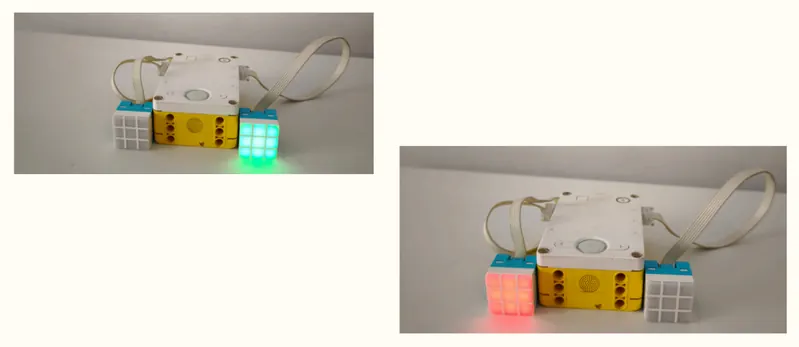
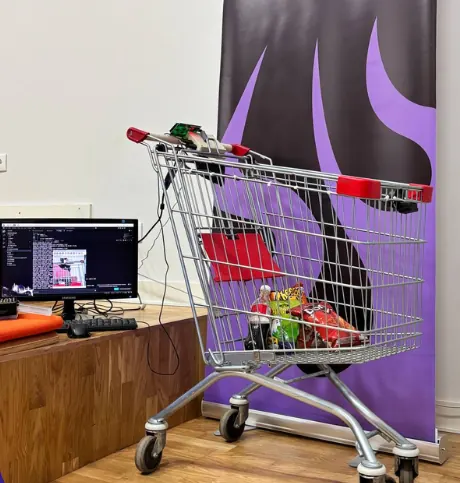
Automating a computer vision environment in PYTHON wonWonder Kid Academy|Gyumri CenterstudentsArtashes Sahakyan Levon Muradyan and Hakob Göletsyantheir"Coordinated traffic"design: won an incentive award in the same categoryVagharshapat High School No. 5իstudentStepan Simonyan his/her"Smart Basket"by design.
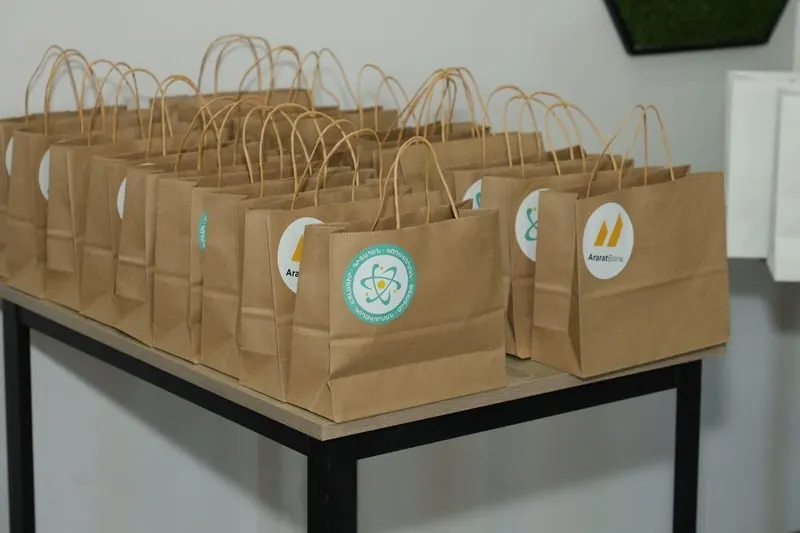
All contestants received gifts in the form of professional books, small electronics kits, headphones, and branded packages. Winner the teams' mentor-teachers received gift cardsto purchase appliances and equipment. Talin High School Principal"Anna Knyazyan"a certificate of appreciation has been issued for the wide school involvement in the “Aylagir” science-based coding competition and school-based Successful and active participation of many students of the Knowledge Group tion country A thank-you note has also been handed out «Wonder kid"the center, the largest representation in the final of the Aylagir science-based coding competition, and a large number of students to ensure participation.
The competition is held every year and is guaranteed by the MINISTRY of EDUCATION, SCIENCE, CULTURE and SPORT OF THE REPUBLIC OF ARMENIA and the SDGs Foundation: shorturl.at/cjrBM, shorturl.at/btyU1.
Indicators
Qualitative description (applying to all teams)
| # | School | Participant(s) | Project | Score |
|---|---|---|---|---|
| 1 | 2 primary schools in Vanadzor | Անահիտ Մամաուլյան, Էդգար Շահբազյան | A drop of water | 14 |
| 2 | Yerevan Primary School No. 143 | Mher Hovhannisyan, Mark Marutyan | Ընտրրողների թվի կանխատեսում | 15 |
| 3 | Short Spring Middle School | Elen Margaryan, Karine Gevorgyan | Source: Sevan | 16.4 |
| 4 | Vardenis Primary School No. 3 | Elena Madoyan | Vardenis water | 16.8 |
| 5 | Wonder Kid Academy | Հեղինե Դիլանյան և Արմեն Ավետյան | Noise map | 16.2 |
| 6 | Wonder Kid Academy | Նարեկ Մկրտչյան, Ռաֆայել Աճեմյան | Modern energy source | 15.6 |
| # | School | Participant(s) | Project | Score |
|---|---|---|---|---|
| 1 | Թալինի ավագ դպրոց | Սամվել Գրիգորյան | Էկո-կրթություն և բյուջետային ծախսերի փոփոխություն | 14.4 |
| 2 | Vanadzor V.S.Tevosyan Polytechnic College | erik Begjanyan,Ovsanna Hakobyan | Efficient mobile workstation | 19.4 |
| 3 | Downhill Middle School | Knarik Aslanyan, Angela Danielyan | Education Issues | |
| 4 | ECT COLLEGE | Misak Grigoryan | Optimal height measurements | 15.8 |
| # | School | Participant(s) | Project | Score |
|---|---|---|---|---|
| 1 | Թալինի Ավագ դպրոց/Արմաթ-Արմաթն օդում լաբորատորիաներ | Arame Gasparyan | Garbage recognition | 17.2 |
| 2 | Vagharshapat High School No. 5 | Stepan Simonyan | Smart Basket | 17.3 |
| 3 | Eurnekian Public School | Narek Aghajanyan | Face mask detection | |
| 4 | Wonder Kid Academy | Artashes Sahakyan, Levon Muradyan, Hakob Göletsyan | Coordinated traffic | 18.6 |
| 5 | Wonder Kid Academy | David Vardanyan, Gevorg Shahinyan | Car of the future | |
| 6 | Wonder Kid Academy | Mher Vardanyan, Lilit Poghosyan, Armen Knyazyan | Clean trash | 13.6 |
WINNING PROJECTS
Data visualization and analysis (7–9), SNAP!

Data visualization and analysis (7–9), SNAP!
Data visualization and forecasting (10–12), SNAP!

Data visualization and forecasting (10–12), SNAP!
Համակարգչային տեսողությամբ ավտոմատացում, PYTHON
Համակարգչային տեսողությամբ ավտոմատացում, PYTHON

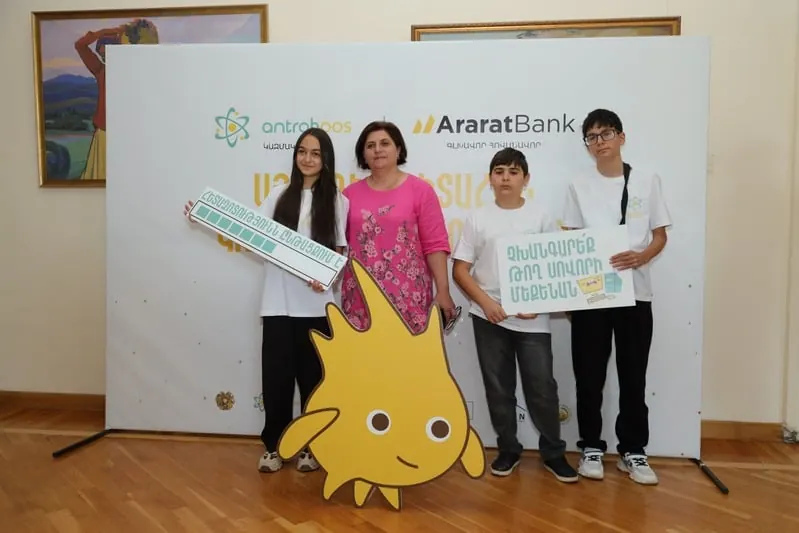
AraratBank OJSC is the general sponsor of the Aylagir coding competitionAraratBank OJSC
Our partnership isn't limited to financial support- it's built on shared values: encouraging innovation, creating new opportunities for teens in the regions, and a belief in the future of technology. We are confident that together we will be able to give the participants of Otherworld not only a competitive experience, but also opportunities to bring their ideas to life, self-expression and development. We are grateful for the trust and productive cooperation shown to Ararat Bank, and wish all the participants creative strength and success.

The Aylagir was an award-winning partner of the SYUN Foundation. We thank SYUN for joining, supporting, and supporting the educational development of children. The SYUN Foundation was created after the 44-day war with the goal of supporting children's educational and self-development opportunities, and it is of great value to us that an organization with such a mission came together for the purposes of the Altar. We thank you for your trust and wish you continued strength and success in the foundation's homeland work.

“Aylagir” was the official Scientific Coding Competition Awareness Partner for Contests Lab / Contests Lab Educational Simpleeach organization. “Contests Lab”, founded in May 2023, organizes international and local-scale school competitionsto promote children's logical thinking, interest in learning, and self-expression in a competitive environment. Among the projects implemented by the organization are the Kangaroo International Mathematical Competition, the Bee Armenian Competition, the Russian Bear Russian Competition, the World Robotics Olympiad, as well as the Hedgehog Financial Literacy Tournament. We are grateful to Contests Lab for its cooperation, support and support to the educational growth of dozens of students.

National Agrarian University of Armenia in 2025 “Aylagir” was the infrastructure and hosting partner of a science-based coding competition. Agrarian Universityani is one of Armenia's leading universities in the field of agrotechnology education, training specialists in agriculture, environment and technology. The university cooperates with a number of European universities, ensuring the relevance of educational programs and compliance with international standards. We thank the University for supporting the organization of the competition and providing the necessary infrastructure for participants.

Competition Author and Missionary EDUCATIONAL FOUNDATION: ANTROHOOS
Volunteers:
Mentors: Liana Khachatryan, Mher Knyazyan